Storm Cleanup / June 30, 2026
How Storm Damage Tree Cleanup Works in Western North Carolina
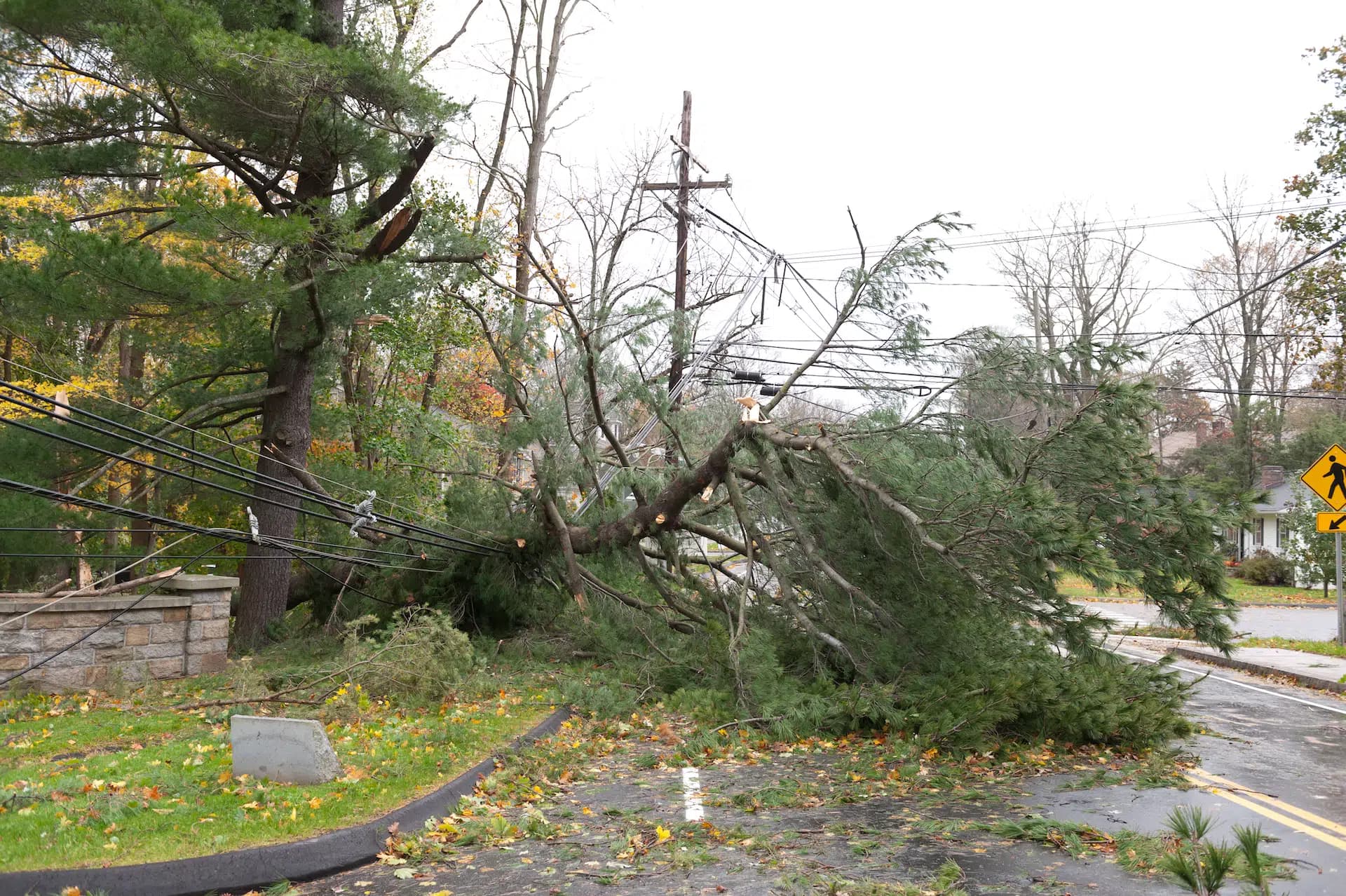
Storm cleanup is not just cutting what is on the ground. The crew has to understand tension, access, debris movement, and what must be cleared first.
Local Service Notes
These articles explain how United Tree Service thinks about access, safety, cleanup, and local site conditions before work begins.
Storm Cleanup / June 30, 2026
Storm cleanup is not just cutting what is on the ground. The crew has to understand tension, access, debris movement, and what must be cleared first.
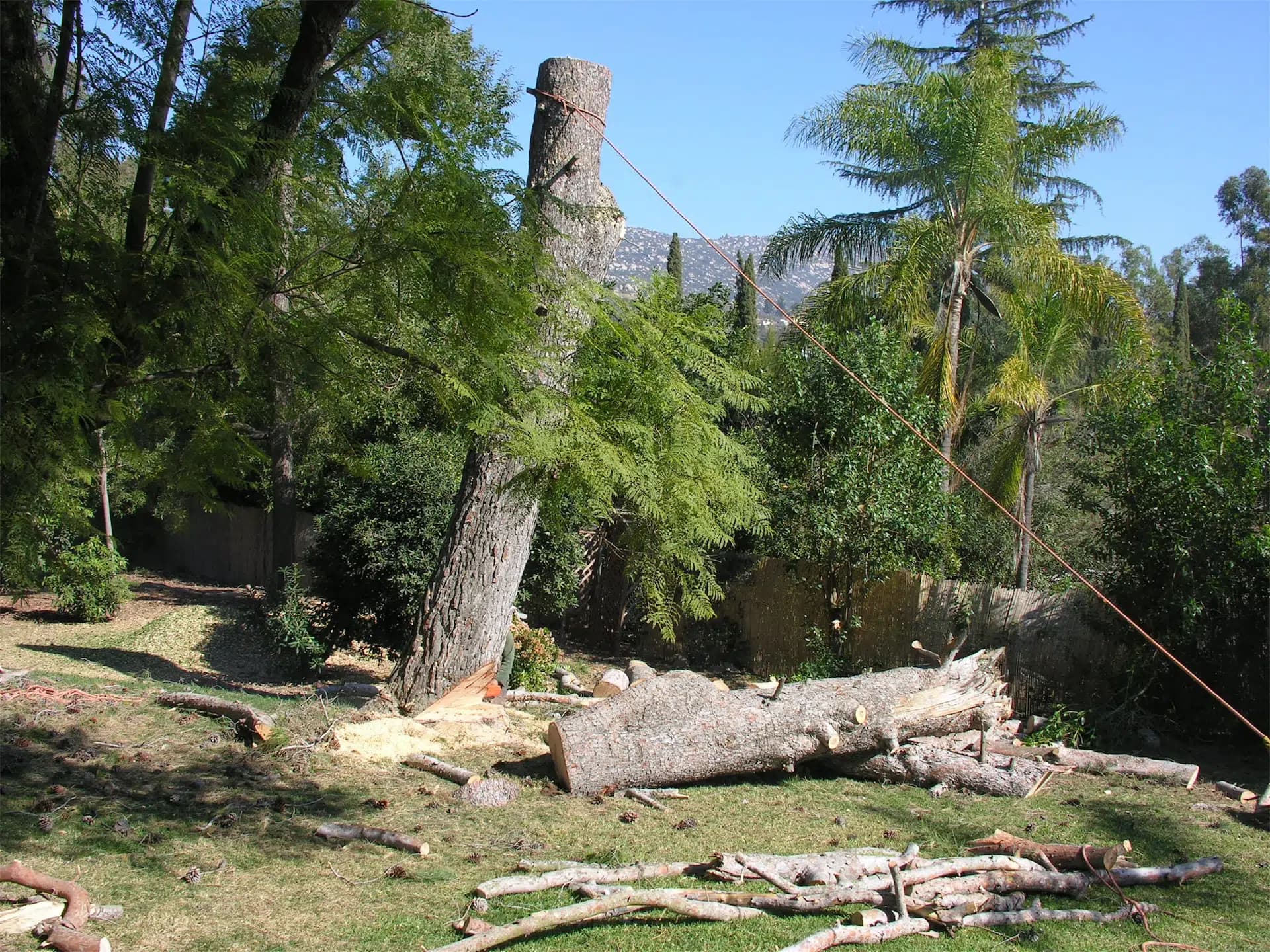
Tree Removal / June 30, 2026
Tree removal decisions come down to safety, access, site constraints, and the future use of the property.
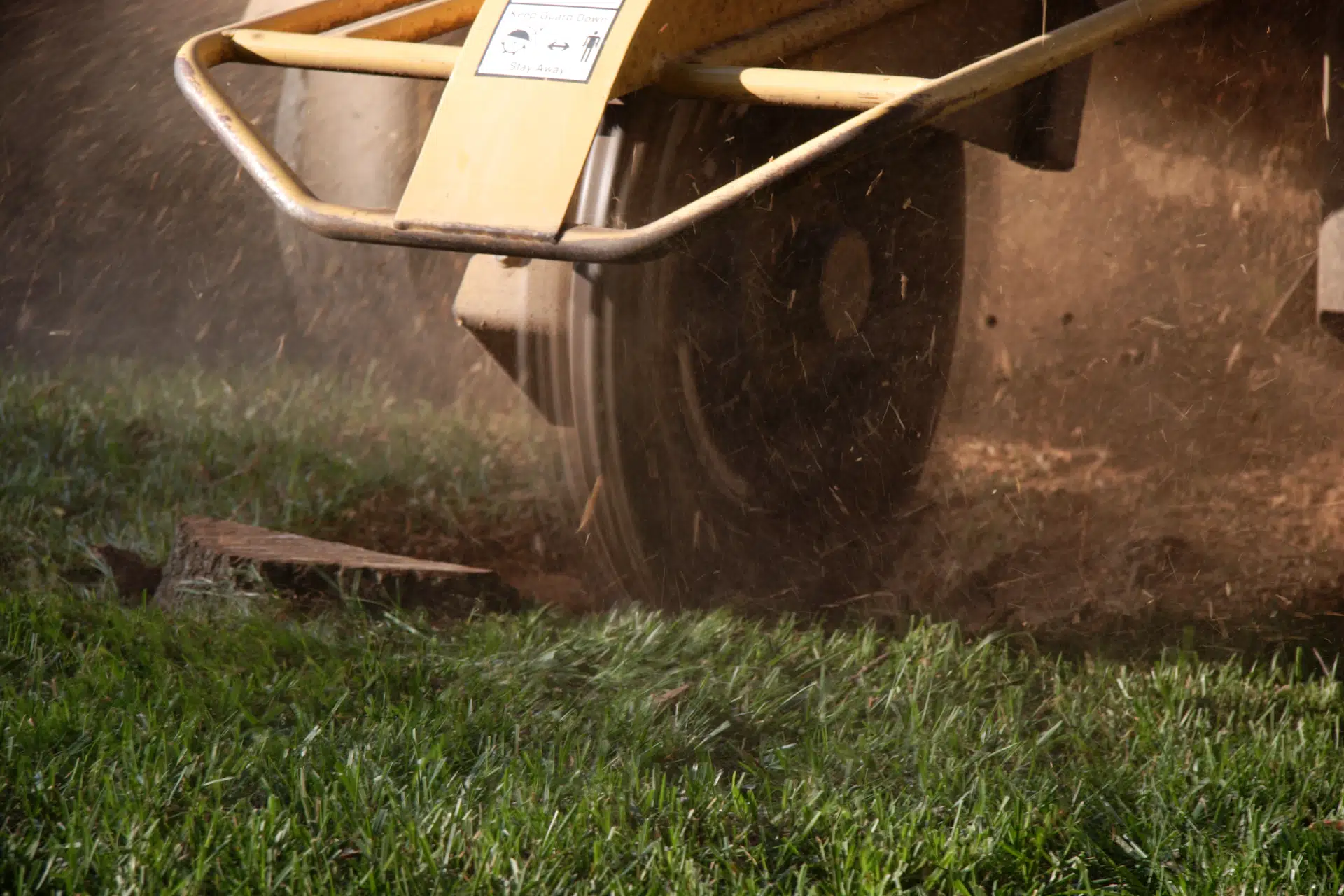
Stump Grinding / June 30, 2026
Stump grinding turns a leftover stump into usable ground, but the best result depends on depth, root flare, and cleanup expectations.
Service Context
Every article here is connected to work United Tree Service performs in Asheville, Hendersonville, Buncombe County, and Henderson County. The archive is organized around common local situations: storm-damaged trees, removals near structures, leftover stumps, cleanup expectations, equipment access, and how a written quote should describe the finished condition of the site. If a page raises a question about your own property, call (828) 519-5470 and describe what you are seeing. The next step is a direct site review and a written quote.
United Tree Service writes these articles from the same job factors we review on local properties: access, slope, cleanup path, tree size, nearby structures, storm damage, stump grinding needs, and whether brush or logs should stay on site. The goal is plain context before a customer schedules an estimate, not generic tree commentary. Each article connects the topic back to what a crew needs to understand before work starts.
Tree work around Asheville, Hendersonville, Buncombe County, and Henderson County is shaped by mountain terrain, older neighborhoods, wooded lots, narrow drives, and changing weather. A job that looks simple from the street can change once the crew sees the route for equipment, the landing zone for limbs, and the path for hauling material out. Those local details are why United Tree Service prefers clear site review before final scope.
Start with the topic that matches the problem on the property. Storm damage articles are best for fallen trees and blocked access. Removal articles explain how crews think about lean, structures, and cleanup. Stump grinding articles explain the finished ground, grindings, visible roots, and what should be included in the quote. If more than one article seems relevant, the property may need a combined scope.
Many tree-service projects overlap. A removal can lead to stump grinding, chipping, hauling, or storm cleanup. A trimming request can become large branch cutting if the work area is tight or near a structure. Use the articles to understand which details belong in the same conversation so the quote describes the full job instead of one isolated task.
Call when a tree is blocking access, resting on a structure, leaning toward a busy area, or creating a concern that cannot wait for a form reply. A direct conversation helps United Tree Service understand the property, location, and likely urgency before scheduling the site review.
Helpful details include the service address, whether the tree is standing or down, what it is near, how the crew can reach it, and what cleanup result you want. Those facts help United Tree Service decide whether the next step is removal, trimming, stump work, storm cleanup, hauling, or a combined service plan.
The articles add context, while the service pages explain the actual work United Tree Service provides. Use both together when comparing tree removal, pruning, emergency response, land clearing, chipping, hauling, and stump grinding options for a Buncombe or Henderson County property.